
What Is an Automated Trading System?
An automated trading system is a computerized method that enables traders to execute trades automatically based on predefined rules and algorithms. An automated trading system eliminates emotional decision-making and improves execution speed. These systems, also known as algorithmic trading platforms, allow traders to establish specific criteria for both trade entries and exits, which are then executed by computer programs without manual intervention. By leveraging technologies like Python for stock trading, traders can implement sophisticated strategies that respond instantly to market conditions.
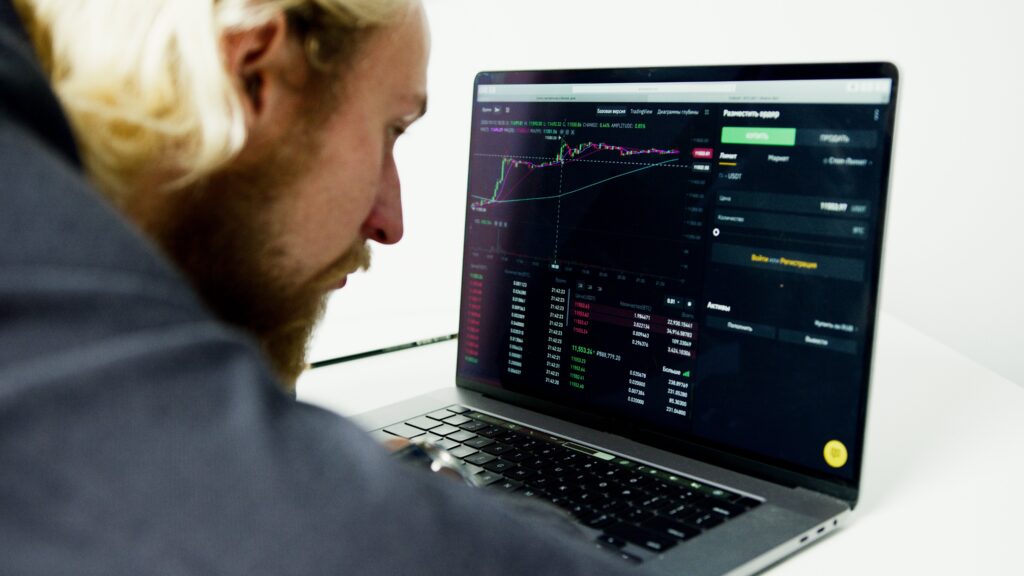
In order to prevent the effects of human emotion on their strategies and decisions, traders and investors turn entry, exit, and money management rules into automated trading systems that enable computers to execute and monitor the trades. You can develop entry and exit rules based on simple conditions, or you can employ difficult strategies that require skills in a programming language such as Python. Learn more at Python.org.
How Automated Trading Systems Work
All automated systems need software linked to direct access brokers. The TradeStation platform, for example, uses an easy programming language like Python. Some trading platforms offer strategy-building wizards that help investors choose possible technical indicators to develop a set of rules to automatically trade. For example, the user has the ability to develop a long position trade that will be entered when the 50-day moving average crosses above the 200-day moving average on a five-minute chart of a particular trading instrument. The trader may also input the type of order when the trade is triggered or use the platform’s default inputs.
Advantages of Automated Trading
Automated trading systems have certain advantages, which are as follows:
Minimizing Emotional Influence
There is no doubt that human beings make their decisions under the shadow of emotions, which results in losses in trading. However, an automated trading system decreases the involvement of emotions in the decision. The automation of the trading system results in the execution of the orders without any emotional effect.
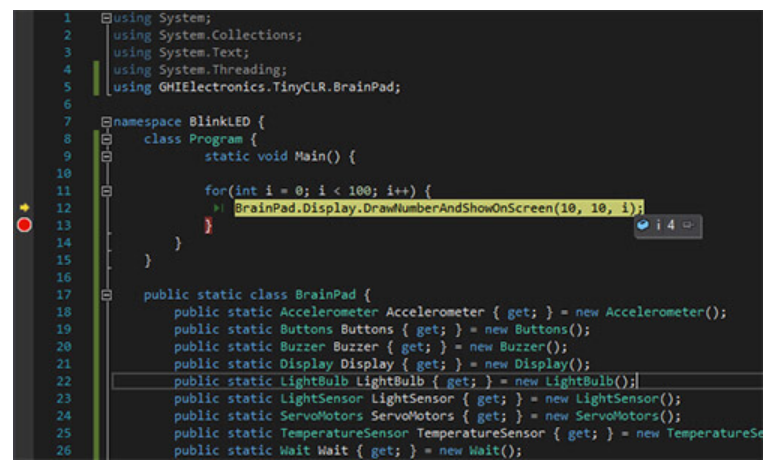
Backtesting Strategies
When a trader wants to evaluate a trading strategy, he backtests it to ensure that it will give positive results. Backtesting is when a trader uses historical data and employs his strategy to see what the outcome would be if he used it in the past. Learn more about backtesting strategies to improve your trading performance.
Eliminating Guesswork
If you use an automated system, you should not leave any type of misconception. The computer is a machine that cannot make guesses.
Maintaining Discipline in Volatile Markets
Your system may be preserved in volatile markets. The traders have two big problems: they fear taking a loss and desire to get a little more profit from the trade. Automated trading creates discipline and does not permit one to make decisions without thinking.
Conclusion
In summary, an automated trading system provides a solution to the problem of emotions. It prevents mismanagement and appreciates trading with discipline. In addition, it performs risk management to stop losses. Another important characteristic is that it provides the opportunity to do a backtest.
Download IBridgePy and start trading with Python today.
Key Takeaways
Understanding the fundamentals discussed above will help you build more effective trading strategies and avoid common pitfalls in automated trading.