
Automated trading Python has revolutionized how traders execute strategies in financial markets by leveraging powerful programming capabilities. Python is used to speed up trade execution and analysis, which is why it’s also known as algorithmic trading or quantitative trading. Python’s widely used libraries, such as TA-Lib, Zipline, Scipy, Pyplot, Matplotlib, NumPy, Pandas, etc., are to thank for this capability. Stock trading with Python enables rapid data analysis and automated decision-making.
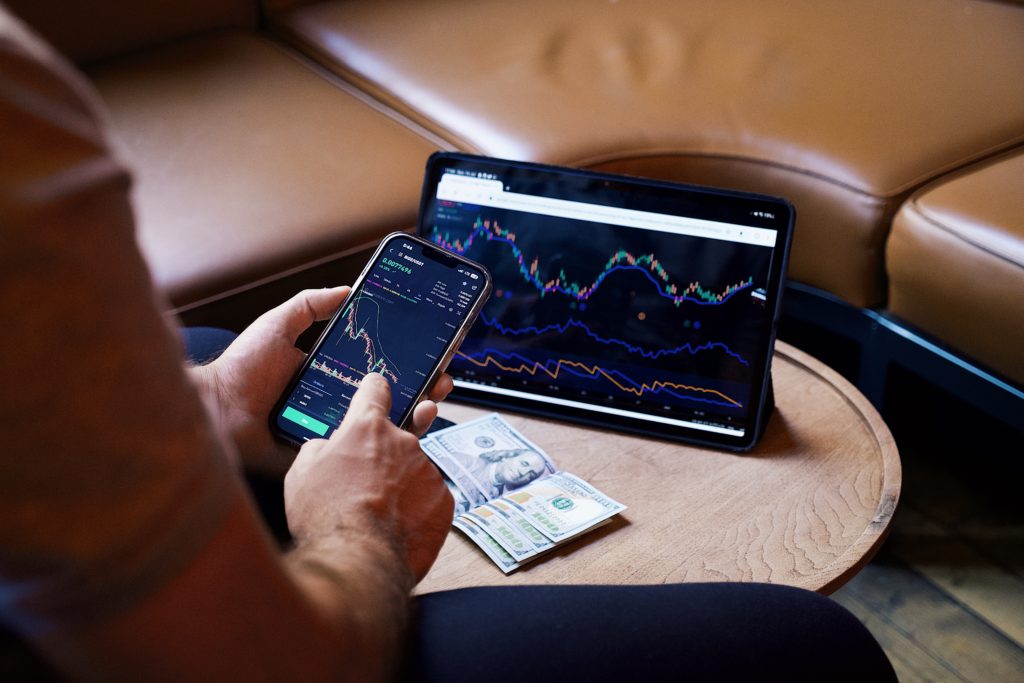
What is Automated Trading Python?
Automated trading involves the capital markets by employing a computer programme to carry out pre-set deal acceptance and exit procedures. In-depth statistical analysis is combined with the development of position features including open orders, assured stops, and trailing stops by traders.
Auto trading enables us to complete several transactions quickly and removes emotion from our financial decisions. This is accurate because all the trade regulations are already included in our restrictions. We can even use our pre-planned strategies to keep an eye on trends and place trades in accordance with certain algorithms.
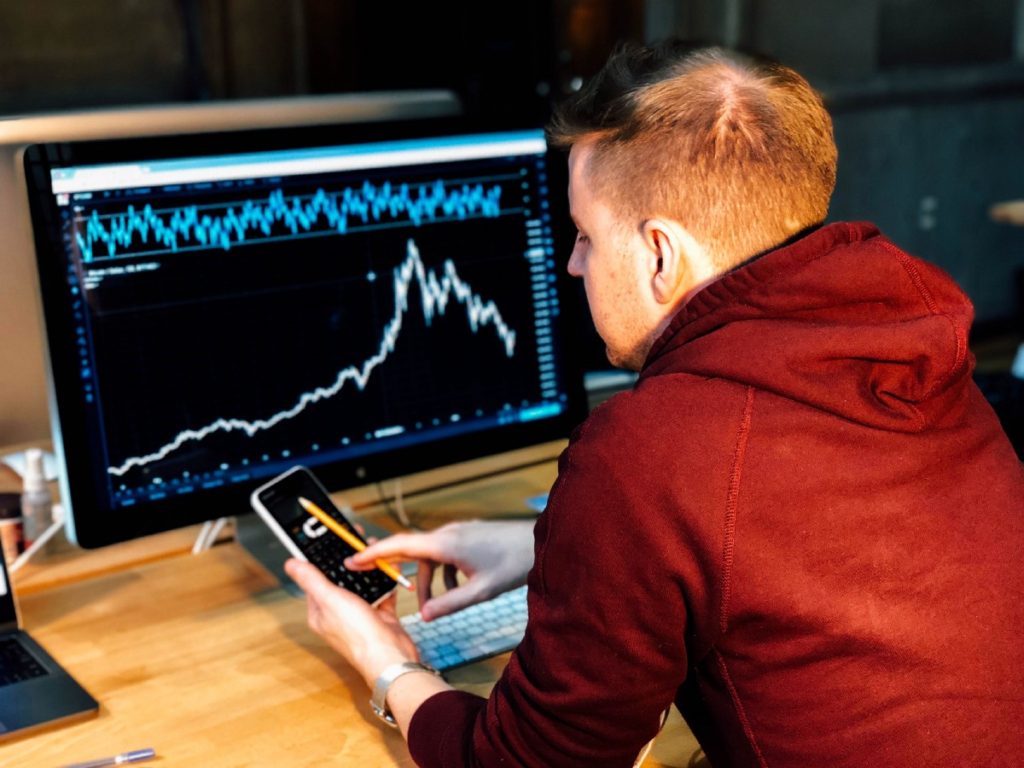
Automated Trading with Python is gaining popularity nowadays! For more information, check out our tutorials and documentation to get started with backtesting your strategies. Learn more about Python programming at Python.org.
Key Takeaways
Understanding these concepts will help you build better trading systems and achieve greater success.