
Facts about Back Test Trading you want to know!
Facts about Back Test Trading you want to know!
Through the use of historical data, Back testing determines how a trading strategy or pricing model would have performed in the past. According to the underlying idea, any strategy that performed well in the past is likely to do so again in the future, and vice versa, any approach that did not do well in the past is also likely to do so again in the future. It is advantageous to set aside a time period of historical data for testing when testing a hypothesis on historical data. Testing it on different time periods or out-of-sample data might help confirm its potential viability if it is successful. Before investing any real money, a trader can perform back test trading strategy by simulating it with past data to create outcomes and assess risk and profitability.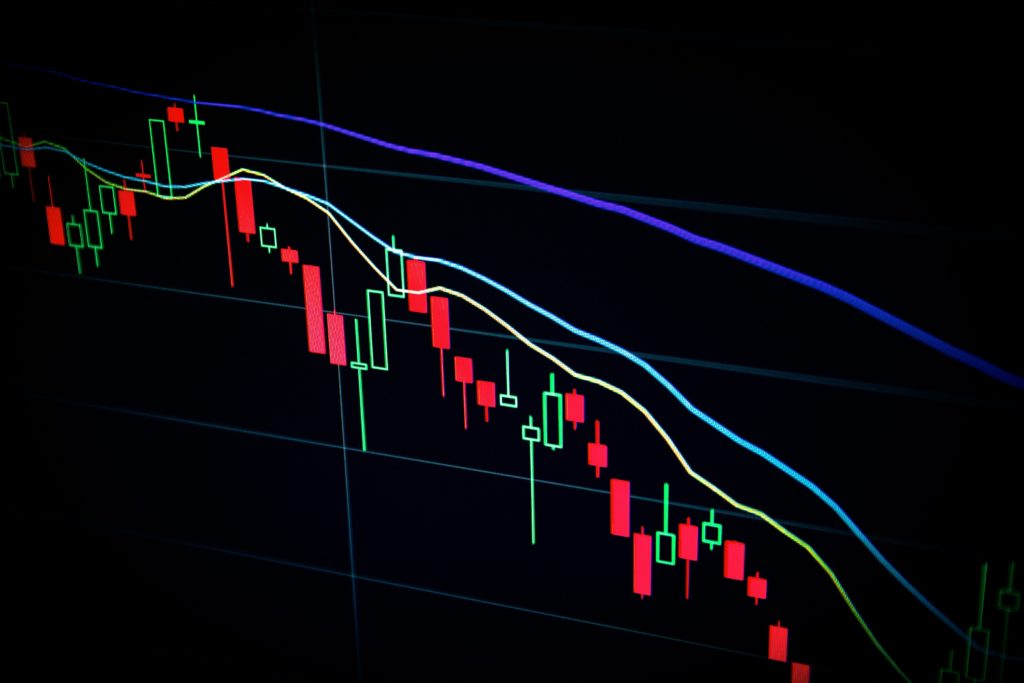
- The first issue is "over-optimization." When a trader continuously modifies their approach to get the greatest profit based on prior data, this might result in hindsight bias. Because it is now exclusively tailored for the precise circumstances that existed during the back testing phase, the viable technique might be destroyed. If circumstances change in the future, the technique might not work as well.
- The second danger is the difficulty of accurately back testing a method as it becomes more sophisticated. Similarly, while more back testing is preferable to less, testing across a wider range of markets and periods necessitates a significant time investment. It's possible to put in all this effort just to find that a tactic is ineffective.
Traders can be certain that a strategy is fundamentally good and is likely to produce profits when put into practise by looking at a well-conducted back test trading that produces favourable outcomes. A well-conducted back test that produces unsatisfactory outcomes, on the other hand, will lead traders to adjust or reject the strategy accordingly.