
Python live trading allows traders to automate their strategies and execute trades in real-time financial markets. If you want to move beyond backtesting and implement live strategies, Python provides the tools you need. This guide introduces you to the basics of using Python for live trading, including how to connect to market data, place orders, and manage positions. Python’s versatility, ease of use, and extensive libraries make it the ideal choice for automating trading strategies and executing them in real markets.
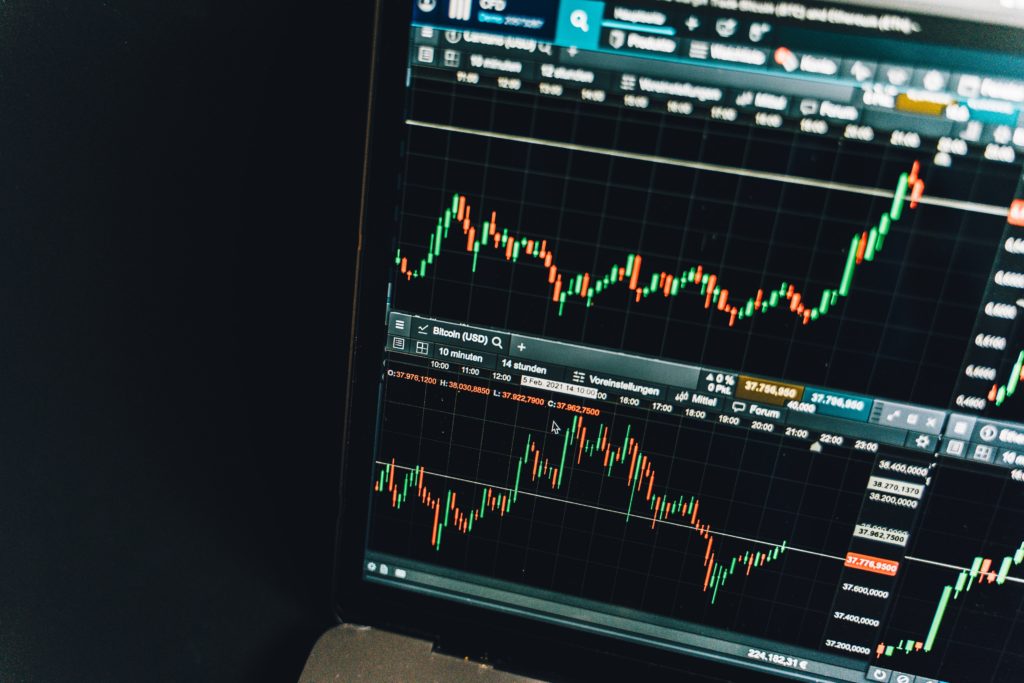
Python Live Trading Strategies Explained
Key Components for Python Live Trading
Market Data Access
To make informed trading decisions, traders need access to market data. Python offers a variety of libraries, such as Pandas, NumPy, and Quandl, that allow for easy retrieval, manipulation, and analysis of financial data. Traders can fetch stock prices, economic indicators, and other relevant information to drive their trading strategies.
Algorithmic Trading Strategies
Python enables the implementation of algorithmic trading strategies, where computer algorithms automatically execute trades based on predefined rules. Traders can develop their own custom trading strategies using Python, leveraging libraries like PyAlgoTrade or Zipline, or utilize pre-built strategies available in open-source libraries like Backtrader or Freqtrade.
Real-Time Data Streaming
Python libraries, such as WebSocket and Requests, enable real-time data streaming from financial exchanges. Traders can subscribe to live data feeds for stock quotes, order book data, and other market information to stay updated with current market conditions.
Risk Management and Monitoring
Risk Management
Risk management is crucial in live trading to protect against potential losses. Python allows traders to implement risk management techniques such as stop-loss orders, position sizing, and risk-reward ratio calculations. Traders can also use Python to monitor their portfolio risk, set risk limits, and dynamically adjust their trading strategies.
Custom Monitoring Tools
Python allows traders to develop custom tools for monitoring their trading systems. Traders can use Python libraries like Flask, Dash, or Streamlit to build real-time dashboards, generate trade alerts, and receive notifications via email or SMS for important trading events, such as order executions, position updates, or risk breaches.
Automation and Efficiency
Python enables traders to automate their trading strategies, eliminating manual interventions and emotions. Traders can set up scheduled tasks or use tools like cron jobs or Task Scheduler to run their Python scripts automatically. This allows for continuous monitoring and execution of trades, even when traders are not actively monitoring the markets.
Python live trading provides traders with the ability to analyze market data, develop and optimize trading strategies, execute trades in real-time, manage risks, and automate their trading systems. Python’s versatility, extensive libraries, and ease of use make it a popular choice among traders and investors for building robust and sophisticated trading systems.
Download IBridgePy and start trading with Python today. Learn more at Interactive Brokers.